

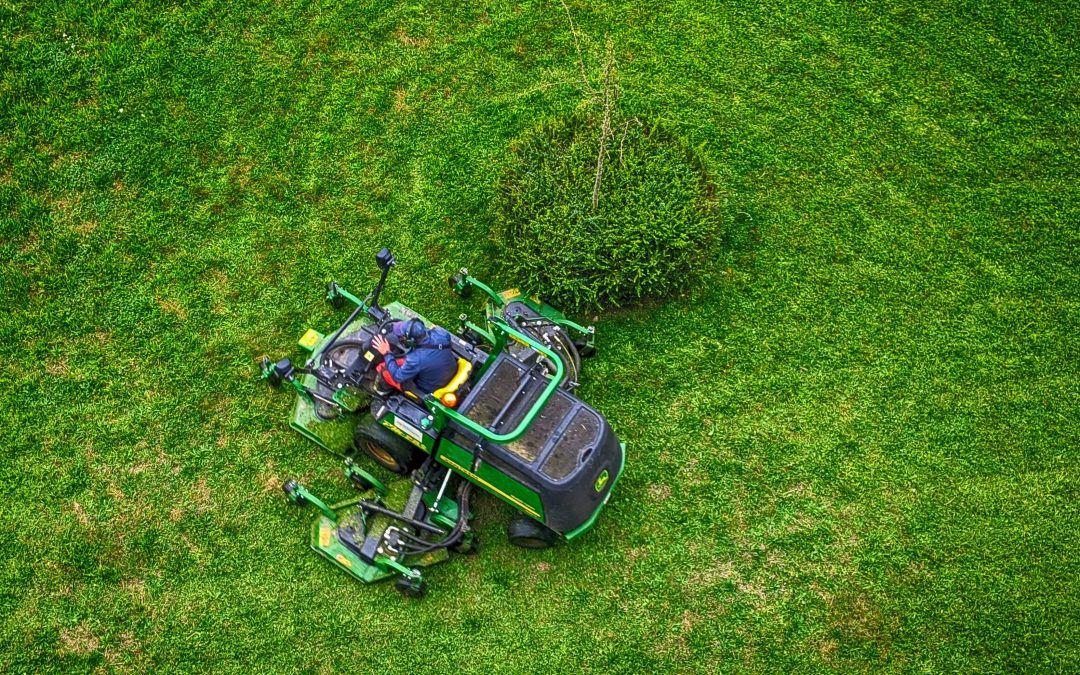
A lush, green lawn doesn’t just happen—it’s the result of consistent care throughout the year. While mowing and watering are obvious tasks, true lawn health depends on understanding how your yard changes with the seasons. The weather, soil conditions, and grass growth cycles all play key roles in keeping it thriving.
With a thoughtful year-round lawn maintenance plan, you can enjoy beautiful, resilient grass that looks great in spring, summer, fall, and even winter. Here’s how to maintain your lawn season by season so it stays healthy no matter what the climate brings.
Why Year-Round Lawn Maintenance Matters
Your lawn is a living ecosystem, constantly growing, resting, and regenerating. Seasonal care helps you work with nature instead of against it. Regular maintenance encourages strong root systems for drought resistance, prevents weeds, pests, and diseases from spreading, improves soil structure and nutrient balance, and keeps grass vibrant and green throughout the year. Neglecting your lawn during any season can cause long-term problems like patchy grass, compacted soil, and pest infestations. By adjusting your care routine for each season, you can protect your investment and enjoy a healthy, low-stress yard.
Spring: Wake Up Your Lawn
Spring marks the start of active growth. As temperatures rise and the snow melts, your lawn comes back to life after its winter rest. Start by removing fallen leaves, sticks, and dead grass. Use a rake or leaf blower to clear the surface so new grass shoots can emerge freely. If your soil feels compacted or water pools on the surface, aeration helps. This process creates small holes in the soil to allow air, water, and nutrients to reach the roots.
Thin or bare spots should be overseeded with high-quality grass seed that matches your existing lawn type. Lightly rake and water the area daily until new growth appears. Choose a slow-release nitrogen fertilizer to jumpstart growth. Fertilizing in early to mid-spring strengthens roots and helps grass recover from winter stress. Apply a pre-emergent herbicide to prevent weeds like crabgrass from germinating. Be sure to follow directions carefully, especially if you’re also seeding.
Wait until the grass reaches about 3 inches before mowing. Use sharp blades and never cut more than one-third of the blade height at once. By late spring, your lawn should look greener, thicker, and ready for summer.
Summer: Protect and Preserve
Summer brings heat, sun, and drought conditions that can stress your lawn. The goal during this season is to maintain hydration and prevent damage. Raise your mower blades slightly—longer grass provides shade to the soil, reducing water evaporation and discouraging weeds. Water your lawn early in the morning to minimize evaporation. Deep watering, about 1 inch per week, encourages roots to grow downward, improving drought tolerance.
Keep an eye out for signs of grub worms, chinch bugs, or fungal patches. Brown or thinning spots may indicate a problem. Address early with natural or chemical treatments as needed. Avoid heavy fertilizer applications in the heat of summer—it can burn your grass. If necessary, use a light, slow-release formula. Too much water can suffocate roots and promote fungus. If your grass turns slightly brown during a dry spell, don’t panic—it’s a natural defense mechanism. It will green up again with rain. With consistent watering and mowing, your lawn will stay healthy even during the hottest months.
Fall: Restore and Strengthen
Fall is the best time to prepare your lawn for the colder months. The weather is cooler, and the soil is still warm—ideal for root growth and repair. Clear fallen leaves regularly so they don’t block sunlight. If thatch, a layer of dead grass and roots, has built up, use a dethatching rake to remove it and improve air circulation. Early fall is perfect for overseeding because cool-season grasses thrive in mild weather. Follow with a balanced fertilizer to promote deep root development.
Continue mowing until the grass stops growing. Gradually lower the cutting height before the final mow to prevent matting under snow. If your lawn gets heavy foot traffic or clay soil, aerating in fall helps loosen the ground before winter. Apply a fall herbicide to target perennial weeds like dandelions and clover. This prevents them from taking over in spring. By the time winter arrives, your lawn will be stronger, denser, and better equipped to survive the cold.
Winter: Protect and Prepare
Winter may seem like downtime, but your lawn still needs attention even if it’s dormant. Frozen grass is fragile, so avoid walking on it when it’s covered in frost or snow to prevent compaction and breakage. If snow piles up near walkways, spread it evenly to prevent bare spots when it melts.
Winter is also the perfect time to maintain your lawn care equipment. Sharpen mower blades, clean tools, and service your lawnmower before spring. Review what worked and what didn’t over the past year. Make notes on fertilizer schedules, pest control, and watering routines to improve next season’s plan. Even in winter, a little awareness helps keep your lawn ready to rebound once temperatures rise again.
Tips for Year-Round Lawn Maintenance Success
Test your soil annually to check pH and nutrient levels and tailor fertilizer applications. Use seasonal fertilizers designed for spring growth or fall root development. Edge regularly to give your lawn a crisp, professional look. Rotate mowing patterns to prevent ruts and uneven growth. Choose the right grass type for your region—cool-season grasses like fescue or rye and warm-season grasses like Bermuda or zoysia require different care schedules.
Consistency is key. A few hours of care each month keeps your lawn healthier and saves you time and money on major fixes later.
Final Thoughts
Maintaining a lush, green lawn isn’t just about weekly mowing—it’s about understanding what your grass needs year-round. With a balanced year-round lawn maintenance routine, you’ll nurture deep roots, prevent problems before they start, and enjoy a beautiful outdoor space every season.
A well-cared-for lawn doesn’t just look good—it enhances your home’s curb appeal and creates a welcoming space for family and friends. Take it one season at a time, stay consistent, and your lawn will reward you with lasting beauty all year long.