

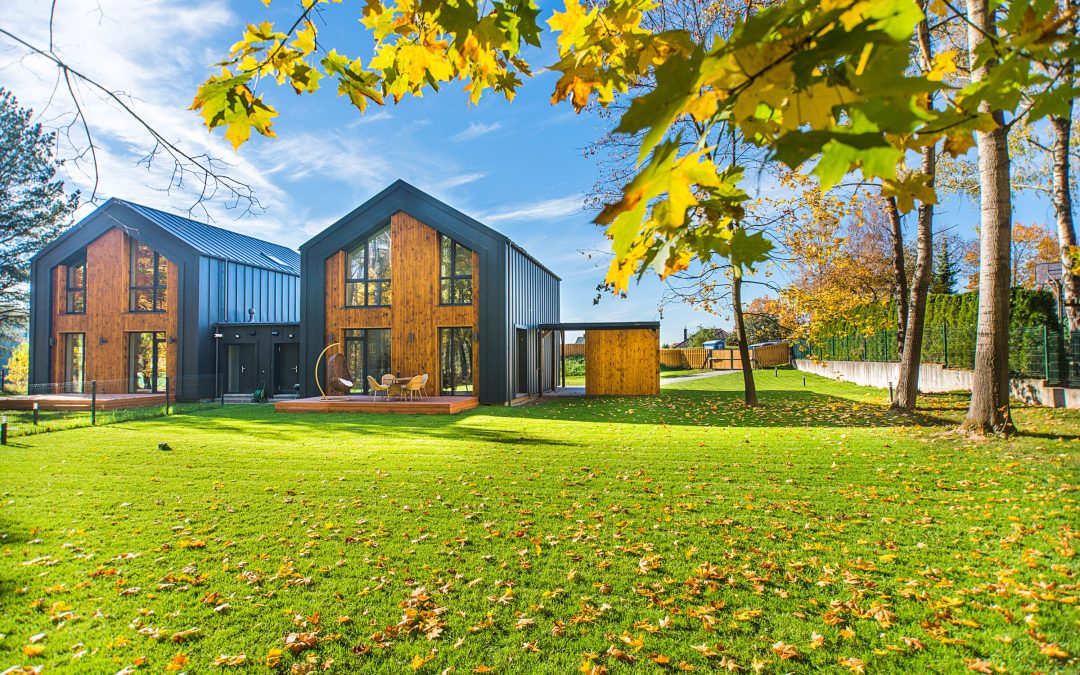
A beautiful yard does not happen by chance. It takes a little attention throughout the year to keep your lawn, plants, and garden looking their best. The good news is that you do not have to spend every weekend working outside. By following a few simple seasonal landscaping tips for a healthy yard, you can prevent many common problems before they start and enjoy an outdoor space that stays attractive through every season.
According to the Environmental Protection Agency (EPA), healthy landscapes can help reduce soil erosion, improve air quality, and support local wildlife. That means your landscaping efforts benefit more than just your home’s appearance.
Whether you are caring for a small backyard or a large property, understanding what your yard needs during each season makes landscaping easier and more rewarding.
Why Seasonal Yard Care Matters
Every season brings different weather conditions that affect grass, flowers, shrubs, and trees. Plants grow differently in spring than they do in summer or winter. By adjusting your landscaping routine throughout the year, you help your yard stay healthy while reducing stress on plants.
Seasonal maintenance also helps:
- Prevent weeds from spreading
- Reduce lawn diseases
- Encourage stronger root growth
- Save water through efficient irrigation
- Improve your property’s curb appeal
Instead of reacting to problems, you stay ahead of them.
Spring Is the Time to Wake Up Your Landscape
Spring is one of the busiest seasons for yard care because everything begins growing again after winter.
Start by cleaning up fallen branches, dead leaves, and leftover debris. This allows sunlight and fresh air to reach your lawn and garden beds.
Next, inspect your plants for winter damage. Remove broken branches and trim dead growth to encourage healthy new shoots.
Spring is also a great time to:
- Apply fresh mulch around trees and flower beds
- Fertilize lawns if recommended for your grass type
- Plant colorful annual flowers
- Divide overcrowded perennials
- Check irrigation systems for leaks
Taking these early steps creates a strong foundation for the rest of the growing season.
Summer Landscaping Requires Smart Watering
Hot temperatures can quickly stress lawns and plants. One of the most important seasonal landscaping tips for a healthy yard is watering correctly instead of watering frequently.
Most lawns benefit from deep watering once or twice each week rather than daily shallow watering. Deep watering encourages roots to grow farther into the soil, making grass more drought resistant.
The best time to water is early in the morning. This reduces evaporation and allows leaves to dry before evening, lowering the risk of fungal diseases.
During summer, also remember to:
- Mow grass at the proper height
- Remove weeds before they spread
- Watch for insect damage
- Add mulch to help soil retain moisture
- Trim fast-growing shrubs when needed
Healthy summer habits help your landscape stay green even during periods of heat.
Fall Is the Best Season for Lawn Recovery
Many homeowners think landscaping slows down in fall, but it is actually one of the most important seasons for lawn health.
Cooler temperatures allow grass roots to grow while reducing heat stress. Fall is an excellent time for repairing thin areas and strengthening your lawn before winter.
Helpful fall tasks include:
- Aerating compacted soil
- Overseeding bare patches
- Applying fall fertilizer
- Raking leaves regularly
- Planting trees and shrubs
Tree roots continue growing even after leaves fall, making autumn one of the best planting seasons.
Keeping leaves off your lawn also prevents mold and allows sunlight to reach the grass.
Winter Landscaping Is About Protection
Winter does not require as much maintenance, but your landscape still needs attention.
Heavy snow, freezing temperatures, and strong winds can damage plants if they are left unprotected.
Before severe weather arrives:
- Cover delicate plants if necessary
- Water evergreen trees during dry periods
- Avoid walking on frozen grass
- Remove heavy snow from weak branches carefully
- Store garden equipment properly
Winter is also a great time to plan landscaping improvements for the coming spring.
Feed Your Soil Before Your Plants
Healthy plants begin with healthy soil.
Many landscaping problems come from poor soil quality rather than poor gardening skills. Adding compost each year improves soil structure while supplying valuable nutrients naturally.
A simple soil test can also tell you:
- Soil pH
- Nutrient levels
- Organic matter content
- Fertilizer recommendations
Testing your soil prevents unnecessary fertilizer applications and helps plants grow more efficiently.
Choose Plants That Match Your Climate
One of the easiest ways to reduce maintenance is choosing plants that naturally thrive where you live.
Native plants often require:
- Less watering
- Less fertilizer
- Fewer pesticides
- Lower maintenance overall
Because they have adapted to local weather conditions, they are generally more resilient throughout the year.
Mixing trees, shrubs, flowering plants, and ground covers also creates a healthier landscape by supporting pollinators and improving biodiversity.
Keep Mulch Fresh Throughout the Year
Mulch does much more than make flower beds look tidy.
It helps:
- Retain soil moisture
- Reduce weed growth
- Protect roots from temperature changes
- Prevent soil erosion
- Improve soil as organic mulch breaks down
Aim for about two to three inches of mulch around plants, but avoid piling it directly against tree trunks, which can lead to moisture problems and decay.
Refreshing mulch each year keeps your landscape looking polished while supporting plant health.
Watch for Problems Before They Spread
Regular inspections are one of the easiest seasonal landscaping tips for a healthy yard that many homeowners overlook.
Spend a few minutes each week walking through your yard.
Look for:
- Yellowing leaves
- Brown patches in the lawn
- Insect activity
- Wilting plants
- Broken branches
- Signs of disease
Catching problems early usually means simpler and less expensive solutions.
Even small changes in plant appearance can signal issues before major damage occurs.
Create a Simple Seasonal Maintenance Schedule
Having a basic checklist helps prevent forgotten tasks.
For example:
Spring
- Clean up debris
- Fertilize if needed
- Mulch beds
- Plant flowers
Summer
- Water deeply
- Control weeds
- Mow correctly
- Inspect for pests
Fall
- Aerate lawn
- Overseed
- Plant trees
- Remove leaves
Winter
- Protect sensitive plants
- Store equipment
- Plan future landscaping projects
Following a schedule makes yard care feel manageable instead of overwhelming.
Conclusion
A healthy landscape is built one season at a time. Small, consistent efforts throughout the year are far more effective than trying to fix everything at once. By following these seasonal landscaping tips for a healthy yard, you can enjoy greener grass, healthier plants, and a beautiful outdoor space that stays attractive no matter the season.
Remember, every yard is different, so pay attention to your local climate and your plants’ specific needs. With regular care and thoughtful planning, your landscape will continue to reward you with beauty, comfort, and long-lasting health year after year.