
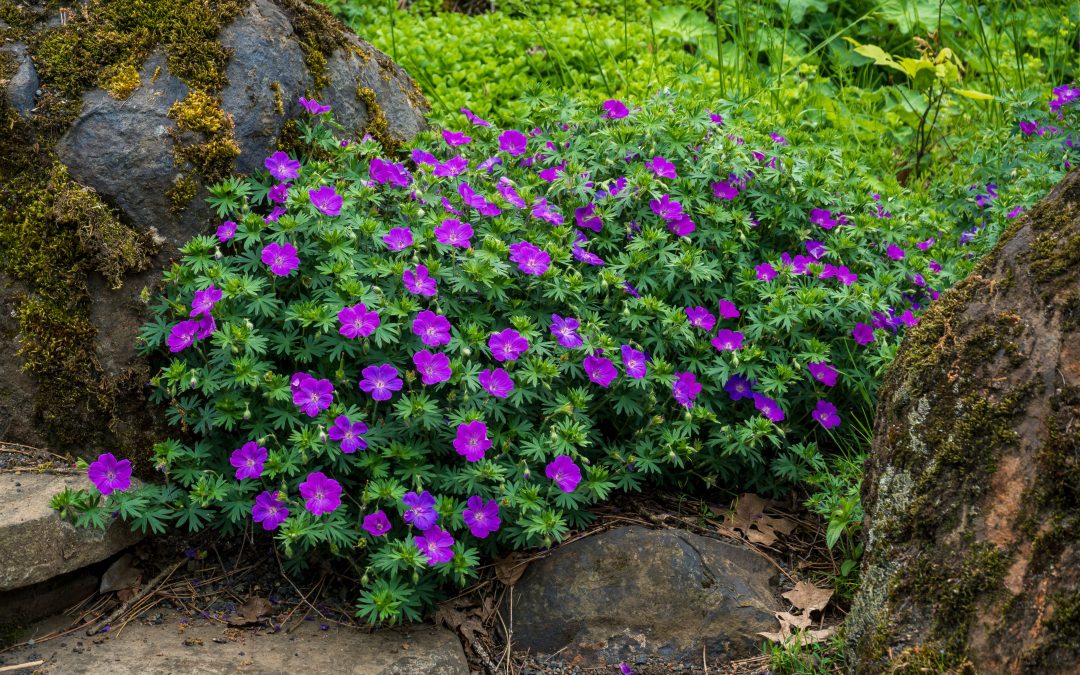
A lush, green landscape does not always require a large lawn. In fact, many homeowners are replacing patches of grass with attractive ground cover plants that are easier to maintain and offer year-round beauty. Whether you’re trying to fill bare spots, prevent soil erosion, or add texture to your garden, choosing the right ground cover can make a big difference.
If you’re wondering how to choose ground cover plants, the answer depends on your climate, soil, sunlight, and how you plan to use the space. The good news is that with a little planning, you can find plants that thrive in your yard while reducing maintenance and water use.
According to the United States Environmental Protection Agency (EPA), landscaping with suitable plants can help conserve water and reduce the need for frequent irrigation. That makes ground cover plants an environmentally friendly option as well as an attractive one.
What Are Ground Cover Plants?
Ground cover plants are low-growing plants that spread across the soil, creating a dense layer of foliage. Unlike traditional lawns, they often require less mowing, fewer chemical treatments, and reduced maintenance once established.
Ground covers can serve many purposes, including:
- Covering bare soil
- Preventing weeds
- Reducing erosion
- Improving curb appeal
- Supporting pollinators
- Retaining soil moisture
With so many varieties available, there is a ground cover for nearly every type of landscape.
Consider Your Growing Conditions
The first step in learning how to choose ground cover plants is understanding the conditions in your yard.
Ask yourself a few important questions:
- Does the area receive full sun, partial shade, or full shade?
- Is the soil sandy, clay-based, or loamy?
- Does water drain quickly or remain wet?
- Is the location on a slope?
- How much foot traffic will the area receive?
Matching plants to their preferred growing conditions helps them establish faster and remain healthier over time.
Think About Sunlight Requirements
Sun exposure plays a major role in plant success.
Some ground covers thrive in bright sunlight, while others perform much better in shady areas beneath trees or along fences.
For sunny locations, look for plants that tolerate heat and direct light.
For shaded areas, select varieties that naturally grow beneath tree canopies or woodland settings.
Reading plant labels carefully can save you from disappointing results later.
Evaluate Soil Quality
Healthy soil supports healthy plants.
Before planting, test your soil to determine:
- Drainage
- pH level
- Organic matter
- Nutrient levels
Many local extension offices offer affordable soil testing services that provide useful recommendations.
Improving soil with compost before planting can increase the success of many ground cover varieties.
Choose Plants That Fit Your Climate
Not every plant grows well in every region.
Select ground covers that are suitable for your local climate and hardiness zone.
Native plants are often excellent choices because they have naturally adapted to local rainfall, temperatures, and soil conditions.
Native ground covers may also provide valuable habitat for birds, butterflies, and beneficial insects.
Decide How Much Maintenance You Want
One reason homeowners choose ground covers is to reduce yard work.
However, some varieties spread aggressively and require regular trimming to stay under control.
Others grow more slowly but need very little attention once established.
If low maintenance is your priority, look for plants known for:
- Drought tolerance
- Disease resistance
- Slow, manageable growth
- Minimal pruning needs
Choosing wisely now can save many hours of work later.
Consider Foot Traffic
Some ground covers are decorative only, while others can tolerate occasional walking.
If people will regularly cross the area, select durable varieties designed to handle light foot traffic.
For heavily used pathways, stepping stones surrounded by ground cover often provide the best combination of beauty and practicality.
This approach protects plants while creating an inviting landscape.
Think About Seasonal Interest
Ground covers can provide much more than green foliage.
Many varieties offer:
- Colorful flowers
- Evergreen leaves
- Attractive fall colors
- Interesting textures
- Decorative berries
Mixing different types creates visual interest throughout the year rather than only during one season.
A layered landscape often feels more natural and inviting.
Use Ground Covers to Control Erosion
One major advantage of learning how to choose ground cover plants is their ability to stabilize soil.
On slopes or areas prone to erosion, spreading root systems help hold soil in place during heavy rainfall.
This reduces runoff while protecting gardens and nearby landscaping.
Ground covers are often an attractive alternative to bare soil or mulch on hillsides.
Keep Pollinators in Mind
Flowering ground covers do more than beautify your yard.
They also attract helpful pollinators such as:
- Bees
- Butterflies
- Hoverflies
- Beneficial insects
The United States Department of Agriculture (USDA) encourages planting pollinator-friendly landscapes to support biodiversity and healthy ecosystems.
Adding flowering ground covers can contribute to that goal while enhancing your garden’s appearance.
Avoid Invasive Varieties
Some fast-growing ground covers spread beyond where they are planted and become difficult to control.
Before buying, check whether a plant is considered invasive in your region.
Instead, choose well-behaved alternatives that provide similar coverage without threatening nearby plants or natural habitats.
Local garden centers can often recommend suitable options for your area.
Plan Your Plant Spacing
Proper spacing helps ground covers fill in evenly without overcrowding.
Although it may be tempting to plant very closely together, overcrowded plants can suffer from:
- Poor airflow
- Increased disease risk
- Uneven growth
Following recommended spacing allows plants to mature naturally while forming a healthy, attractive carpet over time.
Water Carefully During Establishment
Even drought-tolerant ground covers need consistent watering while developing roots.
During the first growing season:
- Water deeply when needed.
- Avoid overwatering.
- Apply mulch to retain moisture.
- Remove weeds until plants fill in.
Once established, many ground covers require significantly less water than traditional lawns.
Conclusion
Understanding how to choose ground cover plants helps you create a landscape that is both beautiful and practical. By considering sunlight, soil, climate, maintenance needs, and plant growth habits, you can select varieties that thrive with minimal effort.
Ground covers offer an excellent alternative to large lawns by reducing maintenance, improving soil health, supporting pollinators, and adding year-round visual appeal. With thoughtful planning and the right plant choices, you can enjoy a healthier, greener yard that looks great in every season.