
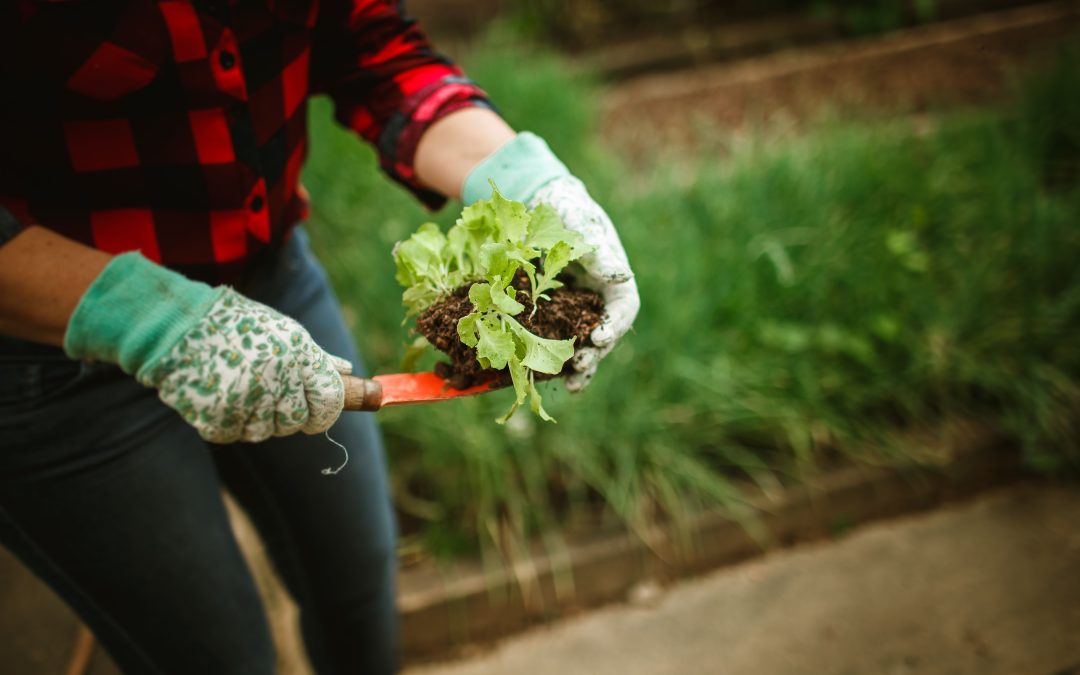
A well-maintained landscape does more than boost curb appeal. It creates an inviting outdoor space where you can relax, entertain guests, and enjoy nature. The best part is that you do not need to spend every weekend working in your yard to keep it looking its best. With consistent care and a few smart habits, you can maintain a healthy landscape throughout the year.
If you’ve been wondering how to keep your landscape looking great, you’re in the right place. Whether you have a large backyard, a small front lawn, or a mix of flower beds and shrubs, this guide will help you care for your outdoor space without feeling overwhelmed.
Let’s explore practical landscaping tips that make a lasting difference.
Start With a Year-Round Maintenance Plan
One of the easiest ways to keep your yard looking attractive is to follow a simple maintenance schedule.
Instead of waiting until your landscape becomes overgrown, break tasks into manageable weekly and monthly routines.
Your schedule might include:
- Mowing the lawn
- Watering plants
- Pulling weeds
- Trimming shrubs
- Inspecting irrigation systems
- Cleaning garden beds
A little maintenance throughout the year prevents larger and more expensive problems later.
Water the Right Way
Proper watering is essential for healthy grass, flowers, and shrubs.
According to the U.S. Environmental Protection Agency (EPA), watering deeply but less frequently encourages stronger root growth than frequent shallow watering.
To make the most of your watering routine:
- Water early in the morning.
- Avoid watering during the hottest part of the day.
- Adjust irrigation based on rainfall.
- Water deeply rather than lightly.
Healthy roots make plants more resilient during hot or dry weather.
Keep Your Lawn Healthy
A healthy lawn creates the foundation for an attractive landscape.
To improve lawn health:
- Mow regularly without cutting grass too short.
- Sharpen mower blades.
- Fertilize when appropriate for your grass type.
- Remove excess thatch if needed.
- Aerate compacted soil.
Following these basic lawn care practices helps grass grow thicker and naturally crowd out weeds.
Mulch Your Garden Beds
Another helpful strategy for how to keep your landscape looking great is applying mulch around plants.
Mulch offers several benefits, including:
- Conserving soil moisture
- Reducing weed growth
- Regulating soil temperature
- Improving the appearance of flower beds
- Protecting plant roots
Organic mulch also breaks down over time, adding nutrients back into the soil.
Refreshing mulch annually keeps garden beds looking neat and well cared for.
Prune Trees and Shrubs Regularly
Pruning improves both the appearance and health of many plants.
Remove:
- Dead branches
- Diseased limbs
- Crossing branches
- Overgrown growth
- Damaged stems
Proper pruning allows more sunlight and airflow to reach the plant, which can encourage healthier growth.
Different trees and shrubs have different pruning schedules, so it’s worth learning the best timing for your landscape.
Stay Ahead of Weeds
Weeds compete with your plants for sunlight, nutrients, and water.
Rather than waiting until weeds spread, remove them while they’re small.
Helpful weed-control strategies include:
- Pulling weeds after rainfall
- Applying mulch
- Maintaining healthy turf
- Removing weeds before they produce seeds
Consistent attention makes weed management much easier throughout the growing season.
Feed Your Soil
Healthy soil supports healthy plants.
Adding organic matter such as compost improves soil structure and helps retain moisture.
You may also benefit from a soil test to determine nutrient levels and pH balance.
The United States Department of Agriculture (USDA) encourages soil testing because it helps homeowners apply fertilizers more efficiently and avoid unnecessary applications.
Healthy soil often leads to stronger, more vibrant landscapes.
Choose Plants That Match Your Climate
One of the smartest landscaping decisions is selecting plants suited to your local environment.
Native and climate-appropriate plants often require:
- Less water
- Less maintenance
- Fewer fertilizers
- Better resistance to local pests
Choosing the right plants from the beginning makes landscape care much easier over time.
Keep Walkways and Edges Clean
A polished landscape isn’t only about healthy plants.
Neatly maintained walkways and borders make a significant visual difference.
Regularly:
- Sweep sidewalks
- Edge garden beds
- Trim grass along pathways
- Remove leaves
- Clean patios
Sharp edges create a professional appearance even in simple landscapes.
Inspect for Pests and Plant Diseases
Healthy landscapes benefit from regular inspections.
Watch for signs such as:
- Yellow leaves
- Chewed foliage
- Wilting plants
- Unusual spots
- Insect activity
Early detection allows problems to be addressed before they spread throughout the yard.
Many minor issues can be managed successfully when caught early.
Add Seasonal Color
If you’re looking for another way to learn how to keep your landscape looking great, consider updating your garden with seasonal flowers.
Rotating annual flowers throughout the year keeps your landscape colorful and interesting.
For example:
- Spring bulbs
- Summer annuals
- Autumn mums
- Winter evergreens
Seasonal color adds visual appeal without requiring major landscaping changes.
Don’t Forget Outdoor Lighting
Landscape lighting enhances your yard long after the sun goes down.
Consider lighting:
- Walkways
- Trees
- Garden beds
- Entryways
- Patios
In addition to improving appearance, outdoor lighting also increases safety and visibility.
Energy-efficient LED fixtures make attractive lighting easier to maintain.
Final Thoughts
Learning how to keep your landscape looking great doesn’t require professional landscaping experience or endless hours of yard work. Consistent watering, healthy soil, regular pruning, smart plant selection, and seasonal maintenance all work together to create a beautiful outdoor space.
By caring for your landscape a little at a time, you’ll enjoy healthier plants, a greener lawn, and a yard that stays attractive throughout the year. Small, consistent efforts often produce the biggest long-term rewards, making your outdoor space a place you’ll love spending time in.