

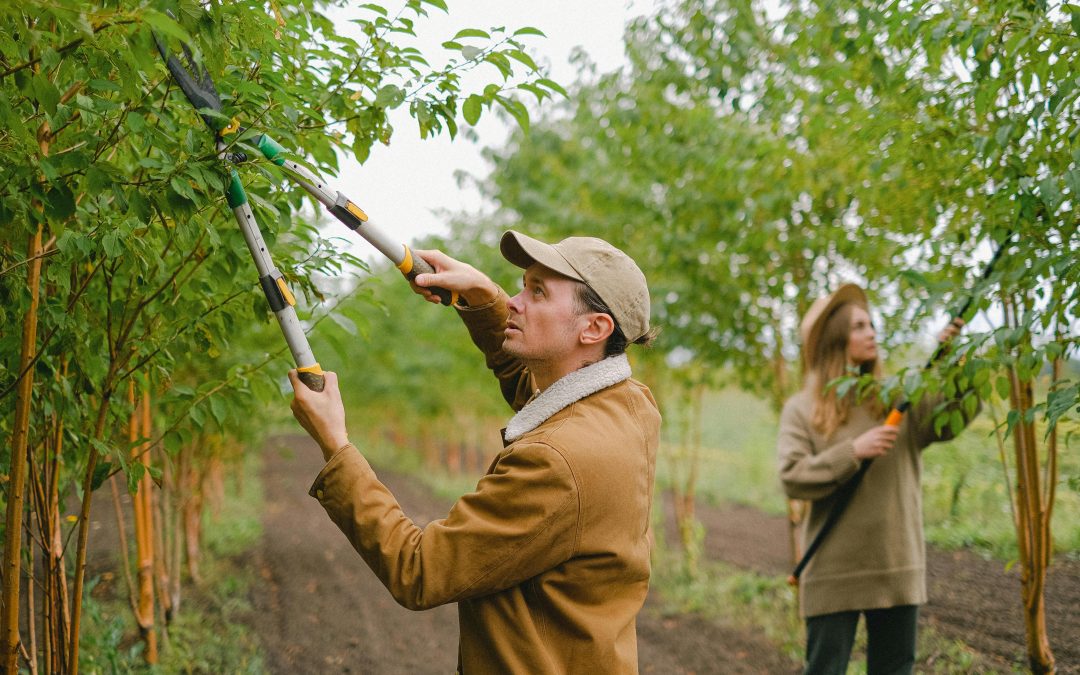
Pruning mature trees is one of the most important parts of long-term landscape care. It improves tree health, reduces safety risks, and helps maintain a strong structure over time. That is why homeowners often ask When is the best time to prune mature trees before picking up tools or hiring a professional.
Timing matters a lot. Pruning at the wrong time can stress the tree, slow healing, or even increase the risk of disease. On the other hand, proper timing helps trees recover faster and grow more efficiently.
According to the U.S. Forest Service, proper pruning practices done at the right time of year can improve tree structure, reduce hazards, and support long-term health.
Why Timing Matters for Pruning Mature Trees
Before understanding When is the best time to prune mature trees, it helps to know why timing is so important.
Pruning affects:
- Tree growth patterns
- Wound healing speed
- Disease and pest exposure
- Seasonal stress levels
Trees respond differently depending on whether they are actively growing or dormant.
Best Overall Time to Prune Mature Trees
In most cases, the best time is:
- Late winter
- Early spring before new growth starts
During this period:
- Trees are dormant
- There is less stress on the tree
- Wounds heal quickly once growth begins
- Pest activity is lower
This makes late winter the most widely recommended pruning window.
Why Late Winter Is Ideal
When answering When is the best time to prune mature trees, late winter stands out for several reasons:
- Trees are not actively growing
- Branch structure is easier to see without leaves
- Reduced risk of disease transmission
- Faster healing when spring growth begins
This timing helps trees recover efficiently and grow stronger in the next season.
Spring Pruning: What to Know
Spring pruning is sometimes necessary, but it depends on the situation.
Pros:
- You can see which branches survived winter
- Useful for light corrective pruning
Cons:
- Trees are actively growing
- More sap flow in some species
- Higher stress if heavy pruning is done
Light pruning is usually safe, but heavy cuts are better done earlier.
Summer Pruning for Control and Safety
Summer pruning is not the primary answer to When is the best time to prune mature trees, but it has specific uses.
It is helpful for:
- Controlling unwanted growth
- Removing damaged or hazardous branches
- Managing tree shape and size
However, excessive summer pruning can stress trees during hot weather.
Why Fall Is Not Ideal for Heavy Pruning
Fall is generally not recommended for major pruning.
Reasons include:
- Slower healing as temperatures drop
- Increased risk of fungal infection
- Trees preparing for dormancy
- Energy reserves are lower
Light maintenance is fine, but heavy pruning should be avoided.
Species Differences Matter
Not all trees follow the same pruning schedule.
Examples:
- Maple and birch trees often prefer late summer or early fall light pruning
- Oak trees are best pruned in winter to reduce disease risk
- Fruit trees often benefit from late winter pruning for better yield
Understanding species-specific needs improves results.
Signs a Mature Tree Needs Pruning
Instead of only focusing on When is the best time to prune mature trees, also watch for warning signs.
These include:
- Dead or broken branches
- Branches rubbing together
- Overgrown canopy blocking light
- Visible disease or decay
- Safety risks near structures or power lines
These issues may require immediate attention regardless of season.
Final Thoughts
So, When is the best time to prune mature trees? In most cases, late winter to early spring is ideal because trees are dormant and recover quickly as growth resumes. This timing reduces stress, lowers disease risk, and promotes healthier structure.
While light pruning can be done in other seasons when needed, planning major pruning during dormancy gives mature trees the best chance to stay strong, safe, and healthy for years to come.