
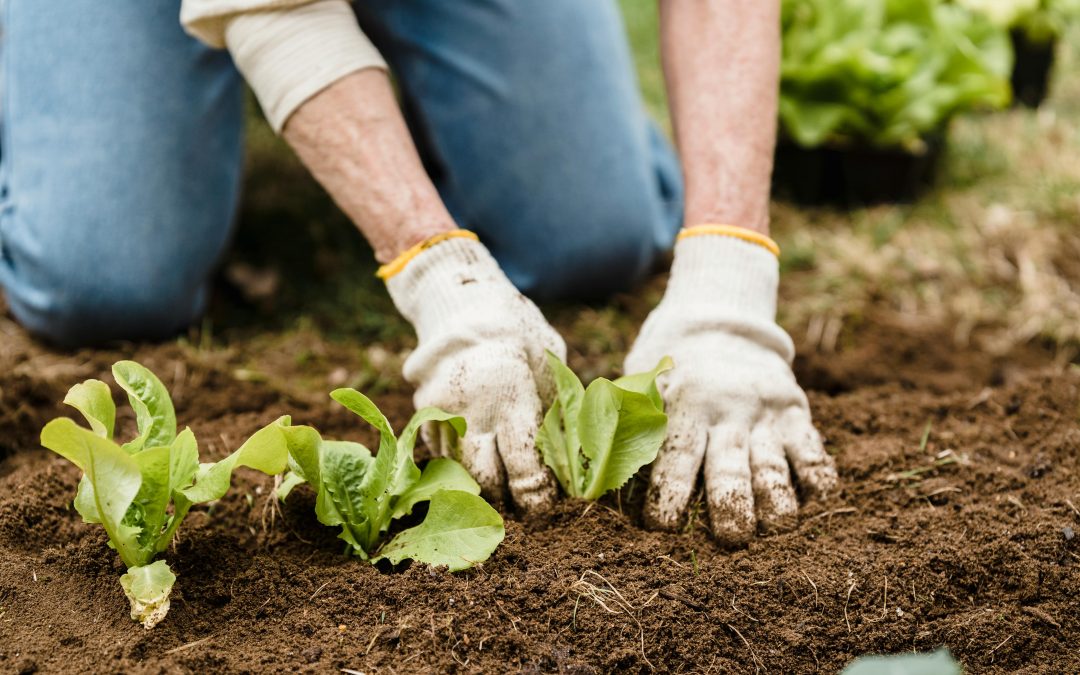
A beautiful garden starts with well-planned and well-maintained beds. Healthy garden beds not only enhance the visual appeal of your yard but also provide a productive space for flowers, vegetables, and herbs. According to the National Gardening Association, more than 77% of U.S. households engage in gardening, yet many struggle to maintain beds that last season after season. Knowing the right planting tips for long-lasting garden beds can make all the difference in creating a thriving outdoor space that requires less effort over time.
Choose the Right Location
The foundation of a long-lasting garden bed begins with location. Selecting the right spot ensures that your plants get the light, water, and airflow they need.
- Observe sun patterns to ensure your bed receives adequate sunlight for the chosen plants
- Avoid areas prone to standing water to prevent root rot
- Consider wind exposure and protection to reduce plant stress
A well-chosen location sets the stage for healthy growth and reduces long-term maintenance challenges.
Prepare Soil Properly
Healthy soil is crucial for strong roots and plant longevity. Preparing your soil with care improves fertility, drainage, and structure.
- Test soil pH and nutrient levels to guide amendments
- Add organic matter such as compost or well-rotted manure to enrich the soil
- Loosen compacted soil to encourage root penetration and drainage
Well-prepared soil creates a foundation that supports vigorous growth and helps your garden beds thrive for years.
Plan Plant Layout Strategically
Thoughtful placement of plants maximizes space, reduces disease risk, and improves aesthetics. Consider these planting tips for long-lasting garden beds:
- Group plants with similar sunlight and water requirements
- Use taller plants as a backdrop and shorter plants in front for visual balance
- Leave enough space between plants to reduce overcrowding and improve airflow
Strategic planning ensures plants grow healthily and reduces the need for frequent replacement.
Mulch to Protect and Nourish
Mulching is one of the simplest ways to maintain long-lasting garden beds. It conserves moisture, suppresses weeds, and regulates soil temperature.
- Apply 2-4 inches of organic mulch such as shredded bark, straw, or leaves
- Replenish mulch annually to maintain effectiveness
- Keep mulch slightly away from plant stems to prevent rot
Mulch not only improves plant health but also reduces maintenance work over time.
Water Efficiently
Proper watering is essential to support root development and prevent stress. Efficient watering practices improve plant survival and reduce disease.
- Water deeply and less frequently to encourage strong root growth
- Use soaker hoses or drip irrigation for consistent moisture
- Avoid wetting foliage to reduce fungal problems
Consistent and targeted watering ensures your garden beds remain healthy without overuse of water.
Choose Perennials and Low-Maintenance Plants
Selecting the right plants is key for long-lasting garden beds. Perennials and drought-tolerant varieties reduce replanting and care.
- Perennials return year after year, saving time and resources
- Native plants are adapted to local conditions and resist pests naturally
- Companion planting can deter pests and improve soil health
Using resilient plants ensures your garden beds remain vibrant and productive with minimal effort.
Fertilize Wisely
Regular feeding supports plant growth but should be done carefully to avoid overfertilization.
- Use slow-release organic fertilizers to nourish soil gradually
- Apply according to plant needs and growth cycles
- Avoid excessive nitrogen which can promote foliage over flowers or fruits
Balanced fertilization helps maintain long-term soil fertility and plant health.
Practice Regular Maintenance
Even with proper planning, garden beds need regular attention to stay healthy.
- Prune and deadhead plants to encourage growth and prevent disease
- Remove weeds promptly before they spread
- Monitor for pests and treat naturally when necessary
Routine care ensures your garden beds remain attractive and resilient year after year.
Conclusion
Knowing planting tips for long-lasting garden beds is essential for creating a thriving and low-maintenance outdoor space. By selecting the right location, preparing soil properly, planning your plant layout, mulching, watering efficiently, choosing resilient plants, fertilizing wisely, and maintaining your garden regularly, you can enjoy beautiful and productive beds season after season. With thoughtful effort, your garden becomes a lasting sanctuary for plants, wildlife, and relaxation.