

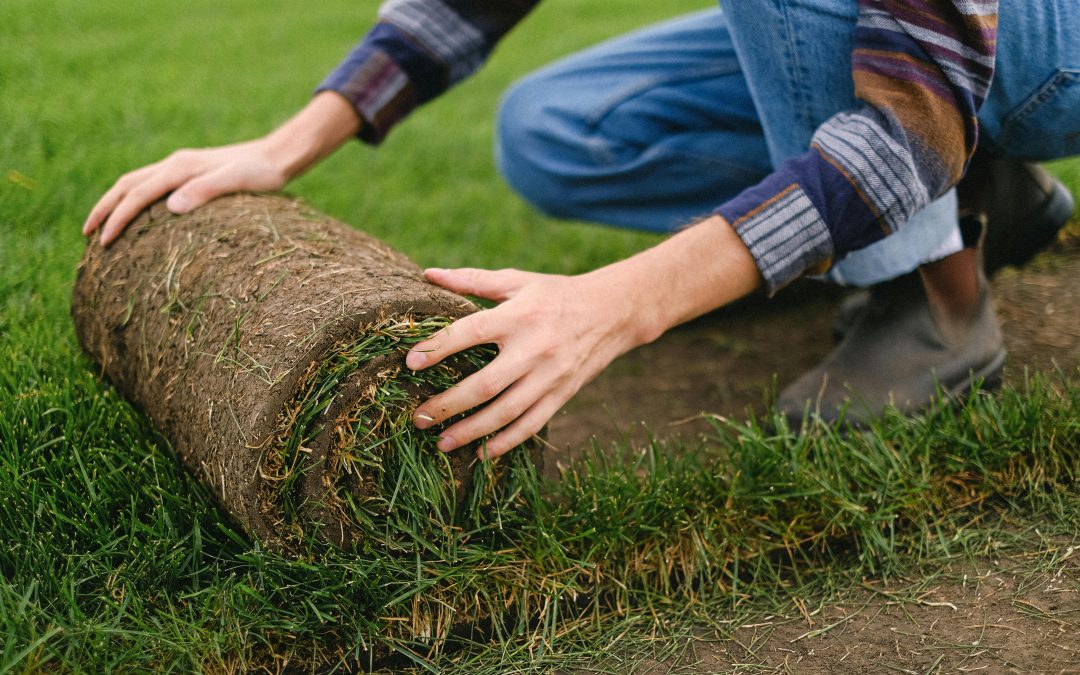
A green, well-kept lawn has a quiet way of changing how a home feels. It invites you outside, boosts curb appeal, and even makes everyday moments like morning tea or weekend gatherings more enjoyable. Yet behind every great-looking lawn is thoughtful care and a clear understanding of what grass actually needs. Many homeowners start with good intentions but soon realize that consistent results take more than occasional mowing. This is where guidance from lawn maintenance experts can make all the difference, especially when you want long-term results instead of quick fixes.
Why Lawn Health Is About More Than Just Mowing
It is easy to think lawn care is simply about keeping grass short. In reality, mowing is just one part of a much bigger picture. Soil health, watering habits, seasonal changes, and even foot traffic all play a role.
According to the University of Minnesota Extension, mowing correctly can reduce weed pressure and disease risk while improving turf density. Cutting too short or too infrequently stresses grass and weakens roots. This is a good reminder that lawn care is less about speed and more about strategy.
Healthy lawns rely on:
- Proper mowing height for the grass type
- Consistent watering without overdoing it
- Nutrient balance in the soil
- Timely attention to weeds and pests
When these basics are handled well, lawns tend to stay greener and more resilient throughout the year.
Understanding Your Grass Type and Local Conditions
Not all lawns are the same, even within the same neighborhood. Climate, soil composition, and grass variety all influence how a lawn should be cared for. Cool-season grasses like Kentucky bluegrass thrive in different conditions than warm-season types like Bermuda grass.
The Environmental Protection Agency notes that choosing the right grass type for your region can significantly reduce water use. Lawns planted with climate-appropriate grass need less irrigation and fewer chemical treatments over time.
This is often where lawn maintenance experts bring real value. They understand local growing conditions and can adjust care routines accordingly, which helps homeowners avoid trial-and-error approaches that waste time and resources.
The Real Impact of Watering the Right Way
Watering seems simple, yet it is one of the most common areas where lawns struggle. Overwatering can be just as harmful as underwatering. Shallow watering encourages weak roots, while deep, infrequent watering helps grass grow stronger.
A widely cited guideline from Texas A and M AgriLife Extension suggests most lawns need about one inch of water per week, including rainfall. Early morning watering reduces evaporation and lowers the risk of fungal diseases.
Signs your lawn needs watering include:
- Grass blades folding or curling
- Dull blue-green color instead of vibrant green
- Footprints that linger after walking
Paying attention to these signs helps prevent stress before damage becomes visible.
Soil Health Is the Quiet Foundation of a Great Lawn
Soil does not always get the attention it deserves, yet it determines how well grass absorbs water and nutrients. Compacted or nutrient-poor soil can limit growth no matter how often you mow or water.
A soil test can reveal pH levels and nutrient deficiencies. Many agricultural extensions recommend testing every few years. Adjustments like aeration or adding organic matter can improve airflow and water penetration.
Healthy soil supports:
- Stronger root systems
- Better drought tolerance
- More even growth across the lawn
This behind-the-scenes work often leads to the most noticeable improvements over time.
Seasonal Care Makes a Noticeable Difference
Lawns change with the seasons, and care routines should change with them. What works in spring may not be effective in summer or fall.
In spring, focus often shifts to cleaning up debris and encouraging growth. Summer care is about stress management, especially during heat. Fall is ideal for strengthening roots and repairing damage before winter arrives.
Lawn maintenance experts typically plan care around seasonal needs, which helps lawns recover faster and stay consistent year-round. This seasonal approach also reduces the need for aggressive treatments later.
Balancing Weed Control With Lawn Health
Weeds are often a symptom rather than the main problem. Thin or stressed grass leaves space for weeds to move in. Building dense, healthy turf is one of the most effective long-term strategies for weed control.
Selective weed treatments can help, but they work best when paired with proper mowing and fertilization. The National Pesticide Information Center emphasizes integrated pest management, which focuses on prevention first and chemical control only when needed.
Simple habits like cleaning mower blades and avoiding cutting wet grass can also reduce the spread of weeds and disease.
When Experience Helps You Avoid Common Mistakes
Many homeowners learn lawn care through trial and error. While this can work, it often leads to repeated mistakes such as overfertilizing or cutting grass too short during hot weather.
Experienced lawn maintenance experts recognize early warning signs that others might miss. Yellowing patches, uneven growth, or soil compaction can be addressed before they become larger issues.
Their role is often less about doing more and more about doing things at the right time and in the right way.
A Smarter Approach to Long-Term Lawn Care
A healthy lawn is not built in a weekend. It develops through steady, informed care that respects the natural growth cycle of grass. By focusing on soil health, smart watering, and seasonal adjustments, homeowners can enjoy lawns that look good and stay resilient.
Learning from lawn maintenance experts can shorten the learning curve and help avoid common pitfalls. Even small changes in routine can lead to noticeable improvements over time.
Final Takeaway for Homeowners
A great lawn is not about perfection. It is about balance, patience, and understanding what your grass truly needs. With the right knowledge and a thoughtful approach, maintaining a healthy lawn becomes less stressful and more rewarding. Whether you handle care yourself or seek guidance, the goal remains the same: a lawn that feels good to walk on and adds lasting value to your outdoor space.